Giant Hogweed
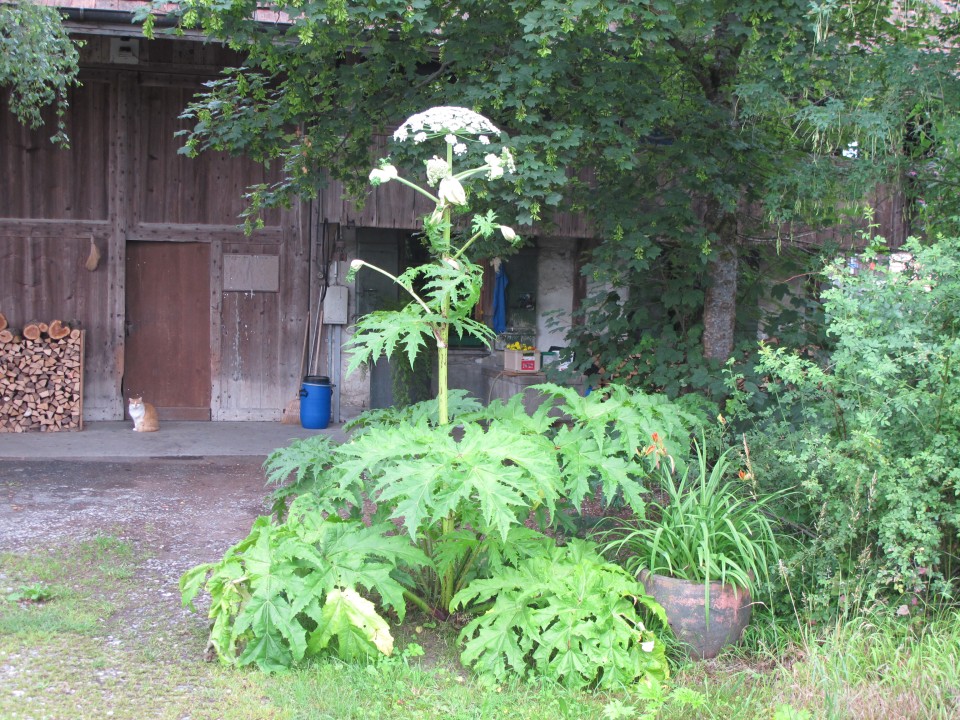 |
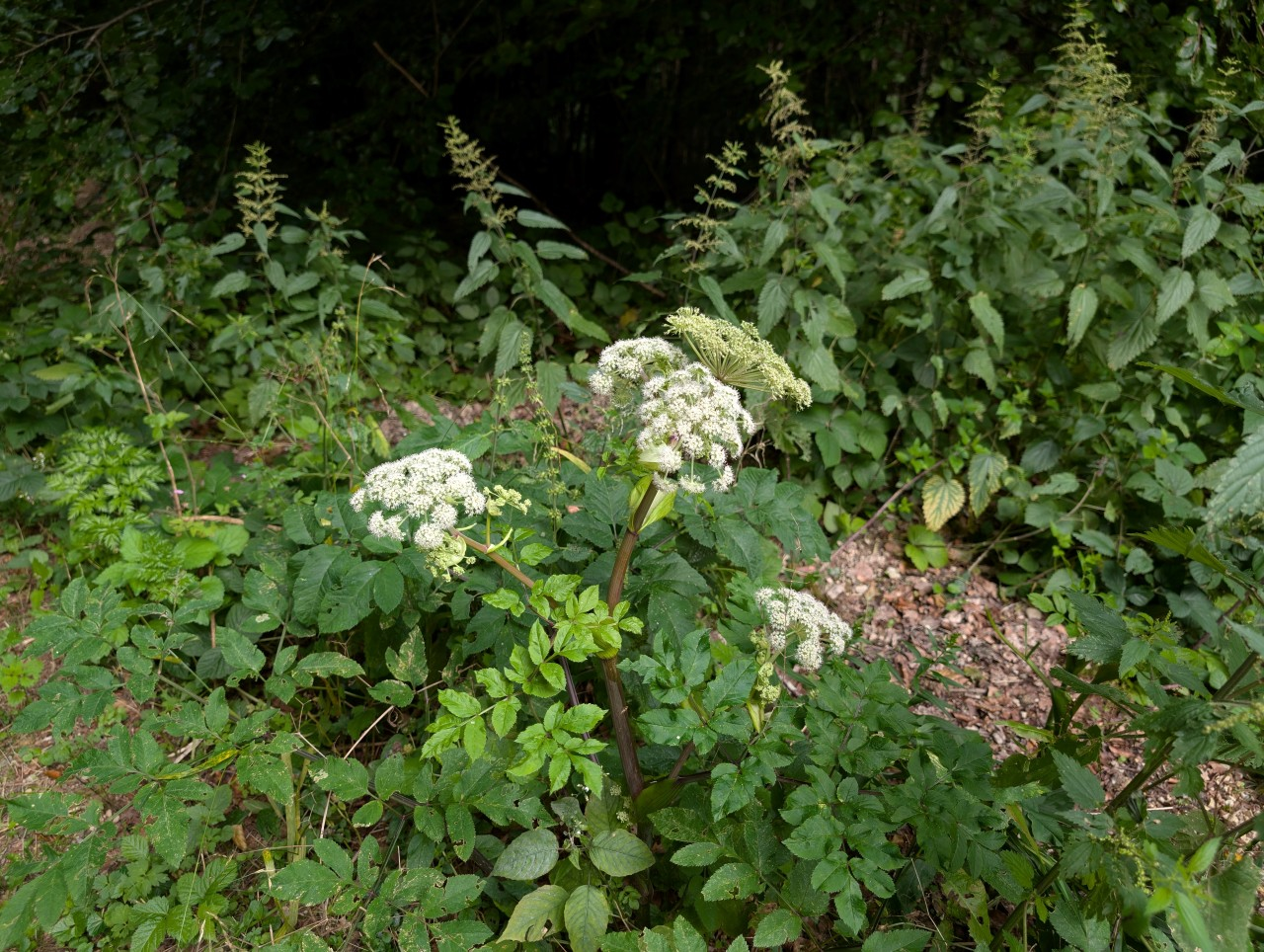
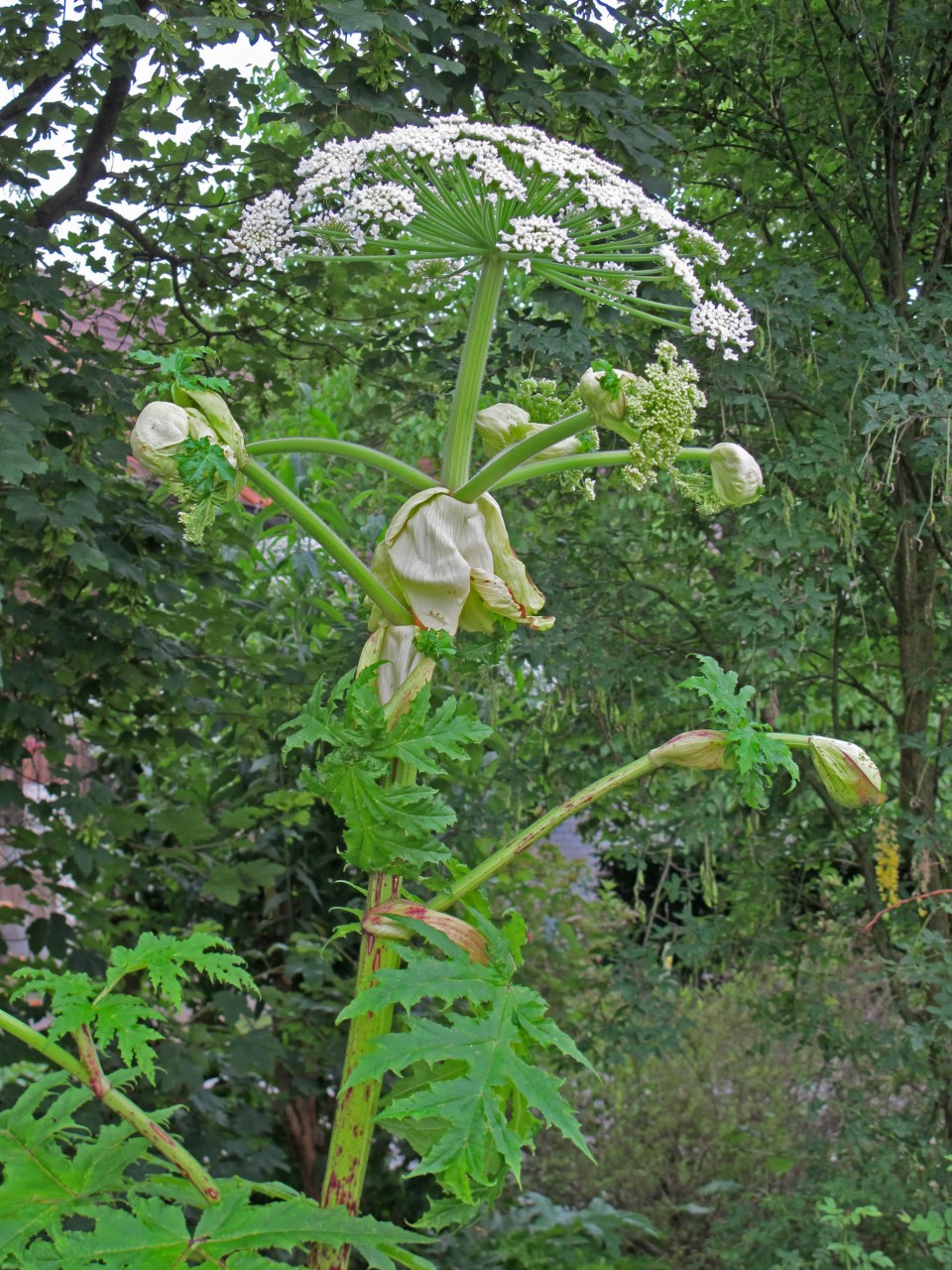
| Giant Hogweed plant on an argovian farm. [Image 2] |
Plant Profile
Giant Hogweed (Heracleum mantegazzianum) is one of the most dangerous invasive neophytes in Switzerland. Originating from the mountainous West-Caucasus region it was introduced to Europe in the early 19th century as a decorative plant. First reported in Switzerland in 1850, the plant has since established itself in the entire country. Today, Giant Hogweed can be found in meadows, on riverbanks, forest edges, wastelands and along roadsides. It prefers shaded, damp, and nutrient-rich soils [2].
 |
| Potential habitats in Switzerland classified by low (blue) to high (red) possibility of colonisation [Image 3]. |
Giant Hogweed produces a sap that contains phototoxins, which reacts with sunlight to produce painful burns and blisters after skin contact with any part of the plant. Leaving long lasting scars and being able to trigger secondary effects like fevers, seeking out a doctor after exposure is recommended. Biodiversity is also impacted by dense stands of Giant Hogweed, which shade out native plants [2].
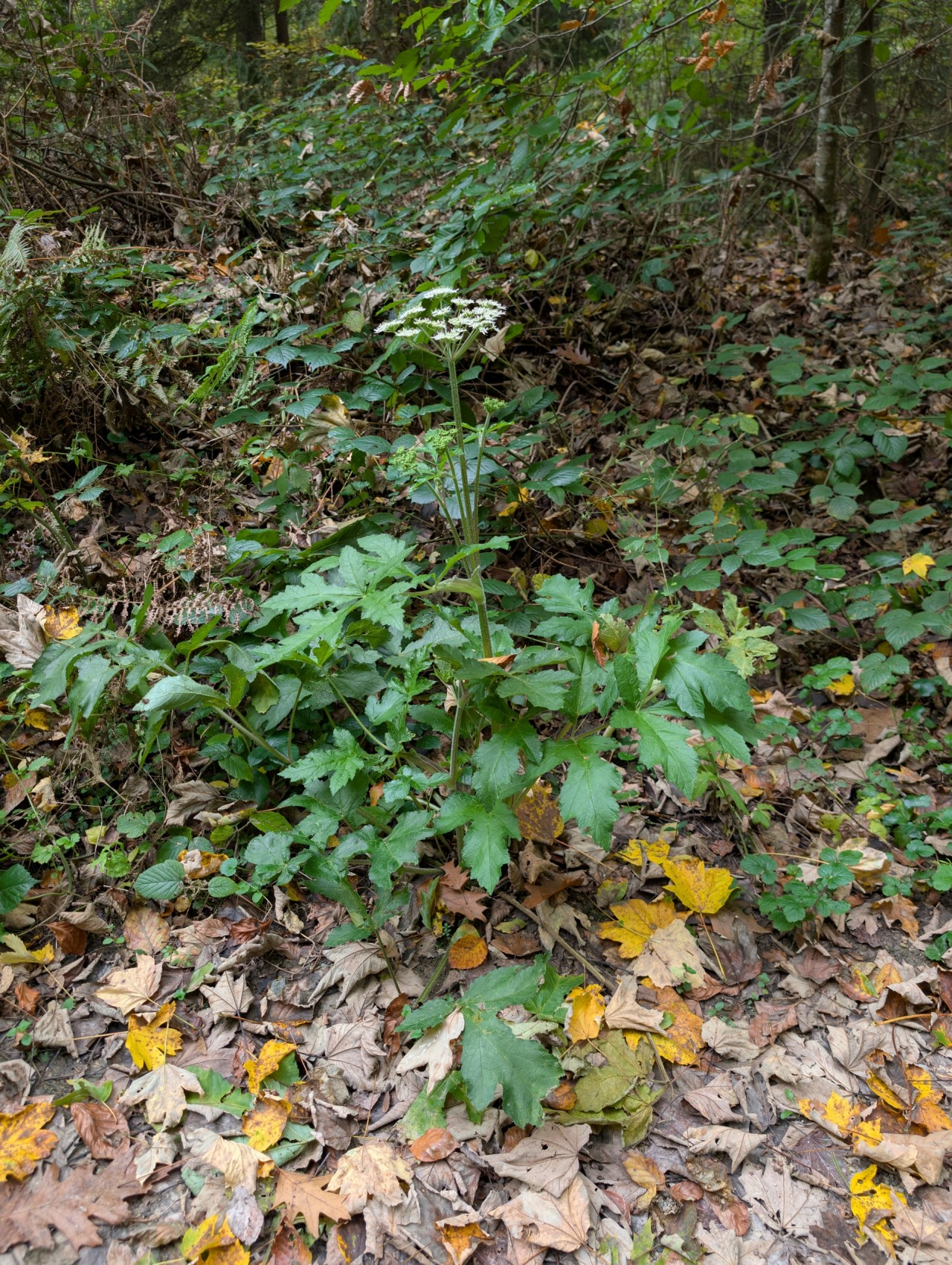
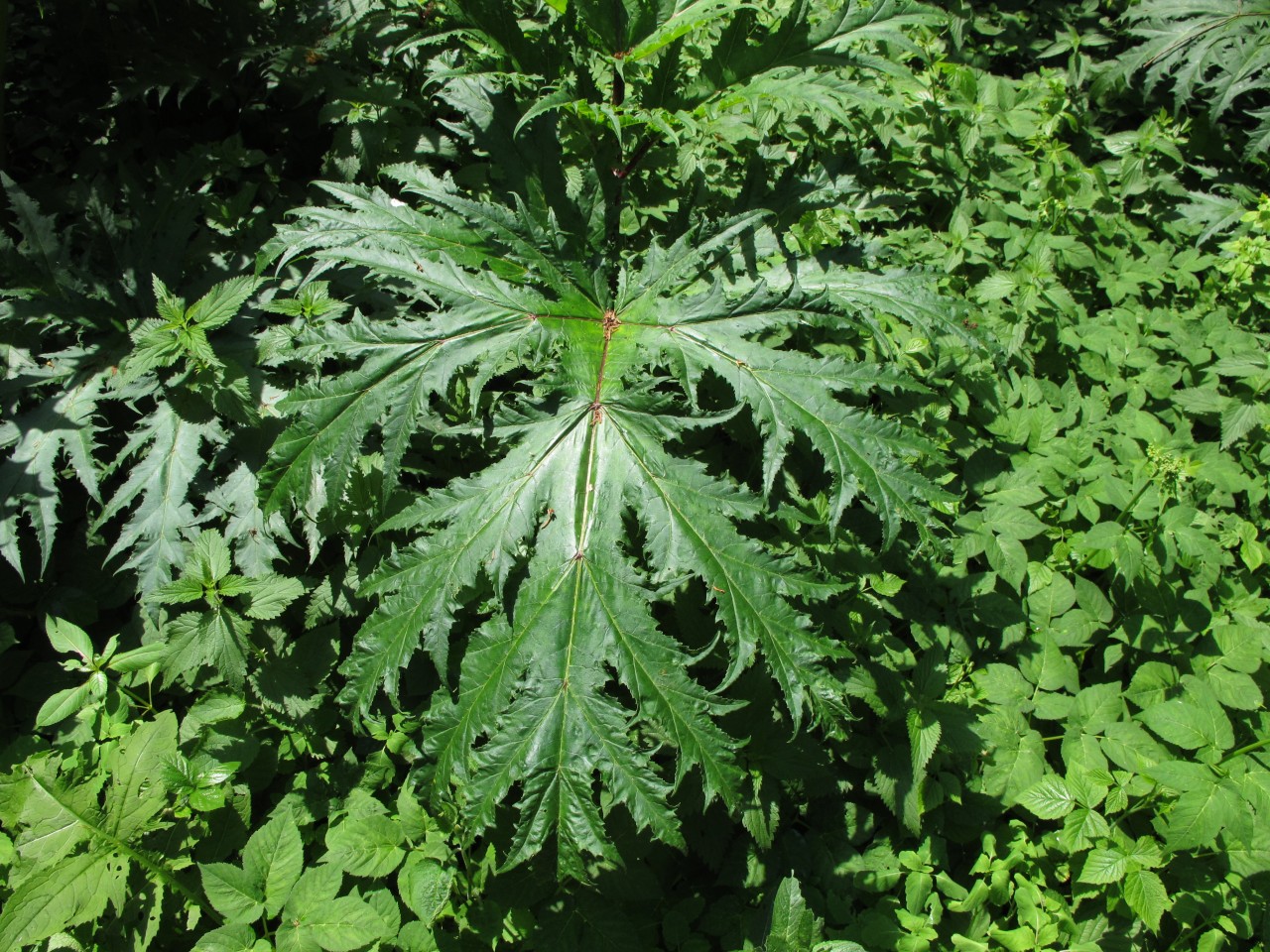
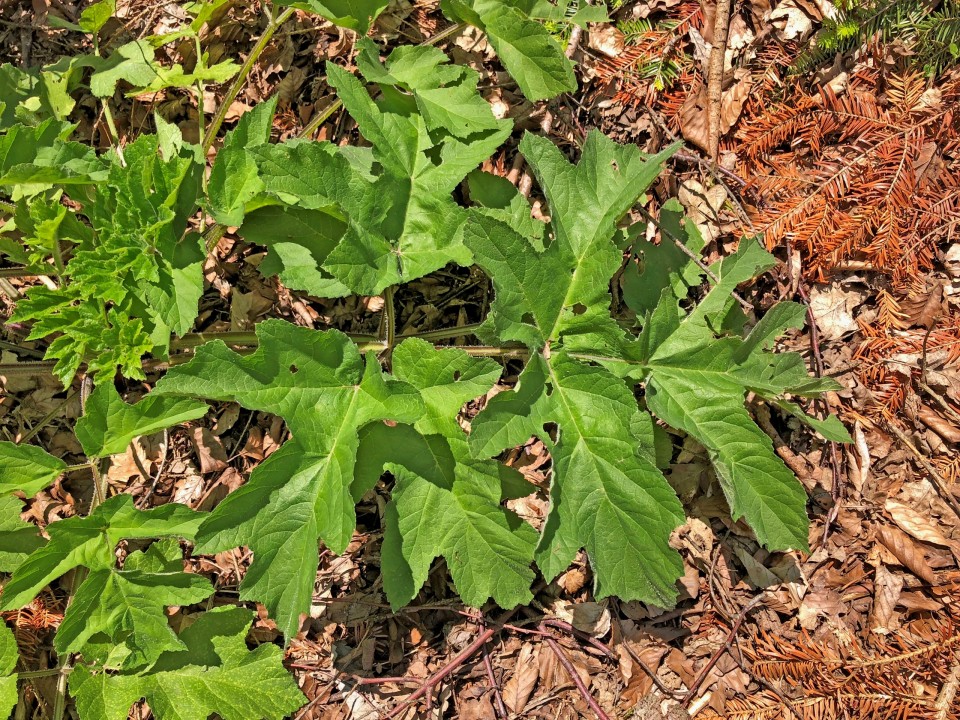
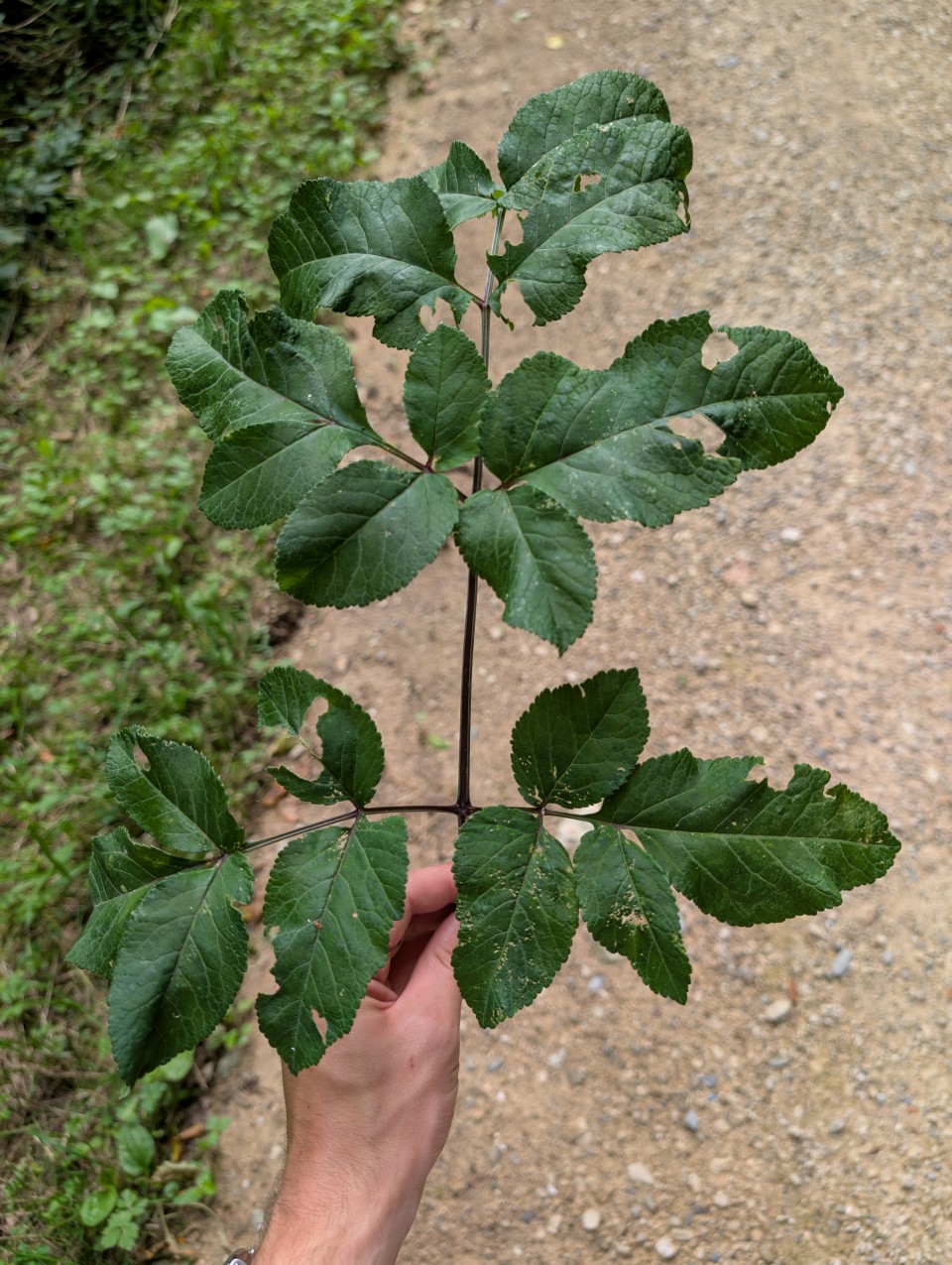
Giant Hogweed is often mistaken for similar looking plants. The photos below will show you their distingushing traits to make you a proffessional Hogweed detector.